Does Strength Training Make You Bulky? Here’s What Really Happens to Your Body
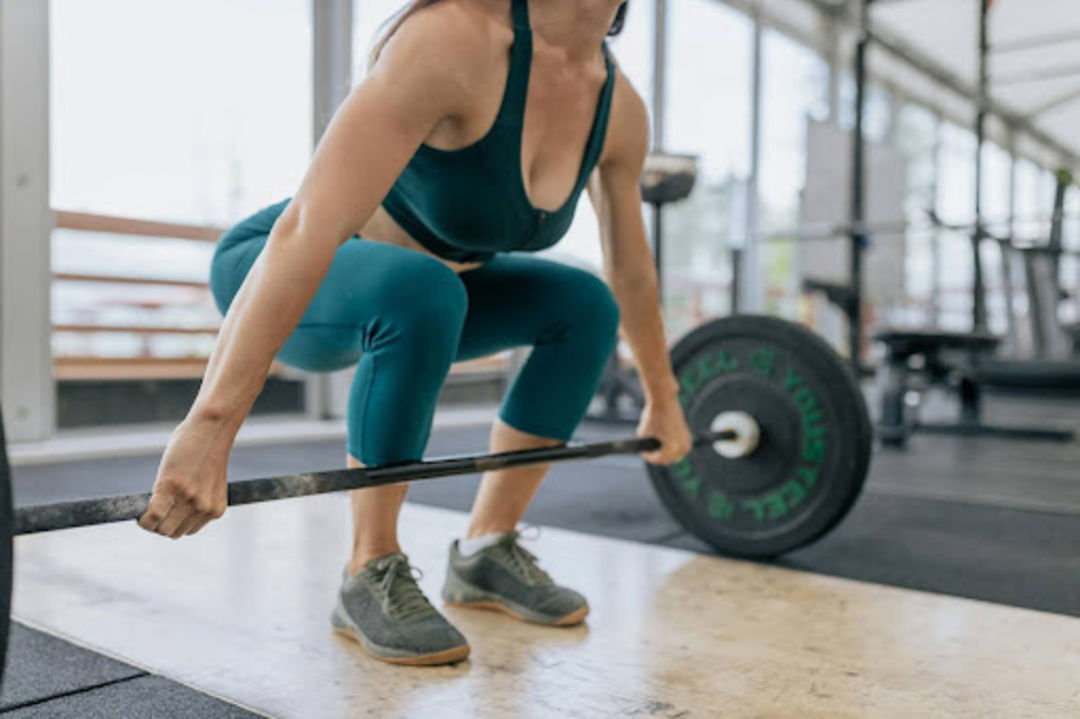
In 2025, the benefits of strength training for people of all genders, ages, body types, and fitness goals have been well-documented—but that hasn’t always been the case. For many years, a lot of people (especially women) purposefully stayed away from strength training (of any form, but especially with weights) for fear that it would give them a bulky physique.
Fortunately, we know now that this isn’t true. Here, we’re breaking down the myth and putting to bed once and for all the “does strength training make you bulky” debate.
Let’s dive in!
Where the “bulky” myth comes from
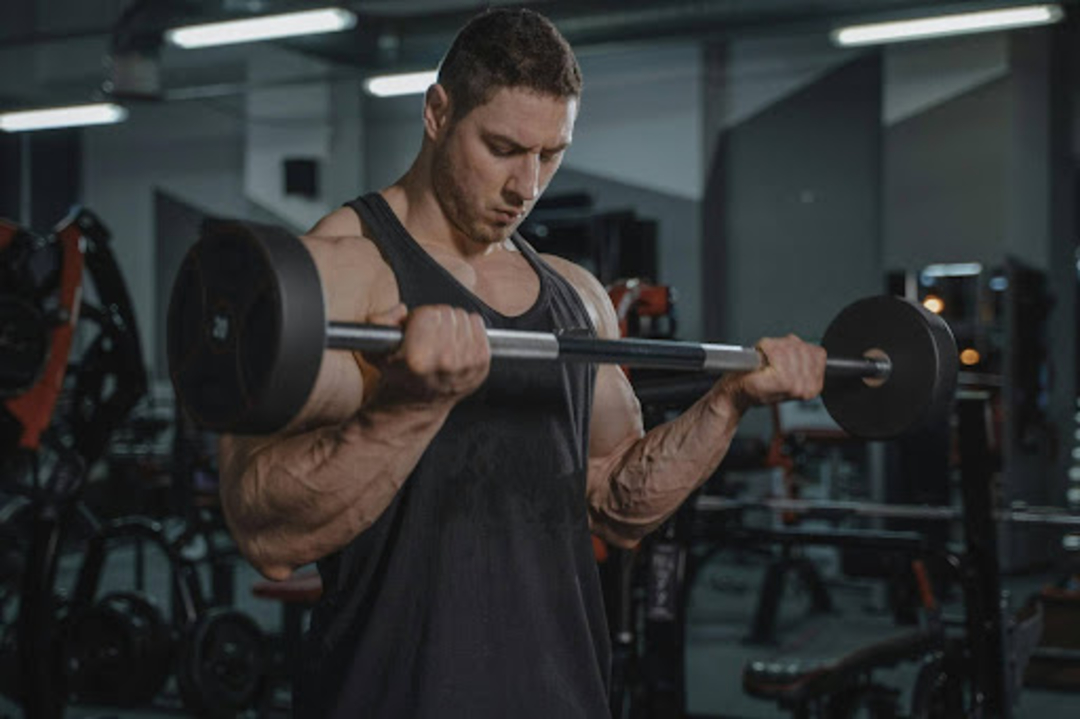
There was not a single moment, speech, or magazine article that declared that lifting weights would make everyone bulky. Instead, it was a combination of things that were happening in pop culture and the media during the late 21st century that led to the creation of this myth.
First, with the release of “Conan the Barbarian” in 1982 and “The Terminator” in 1984, Arnold Schwarzenegger burst onto the acting scene, bringing international attention to the world of bodybuilding. Thus, people began to associate weightlifting with bodybuilding, assuming that the only reason someone would lift weights would be to achieve that sort of physique.
At the same time, aerobics and Jazzercise were growing in popularity and stick-thin models were gracing runways and magazine covers. The result was a societal beauty and fitness standard for women that focused on getting slim and lean with cardio (and hardly eating, but that’s another story) and never going near the weights.
For these reasons, people who didn’t want big, visible muscles stayed away from strength training for a long time.
So, does strength training make you bulky?

No! Strength training comes with tons of perks, such as stronger muscles and joints, a higher metabolism, better balance and mobility, and reduced risk of chronic illnesses, but it will not make you bulky if you do not want it to.
How strength training actually affects your body

If strength training doesn’t make you bulky, what does it actually do? First off, the goal of strength training is ultimately to make your muscles stronger and improve daily function by challenging your muscles to work against some form of resistance. This can be weights, but it can also be resistance bands, strength training machines, other tools like medicine balls, or just your own bodyweight. Regardless of the form of resistance you choose, it should be enough to make you stronger and increase or maintain your existing muscle mass.
How does this actually happen? When you strength train, overloading the muscle creates teeny-tiny microtears in your muscle fibers. This triggers a localized inflammatory response in your body that results in a repair response. You’ll then be left with more muscle fibers (aka, more muscle mass), resulting in stronger muscles than you had before.
While this general process occurs after every single strength training session, the way strength training ultimately affects your physique is going to depend on a number of factors, including:
The amount of resistance used
The number of reps/sets completed
The frequency of your strength workouts
What and when you’re eating (overall diet)
These are the key variables that dictate how your muscles show up on your body—whether they become visibly larger or appear leaner and more sculpted.
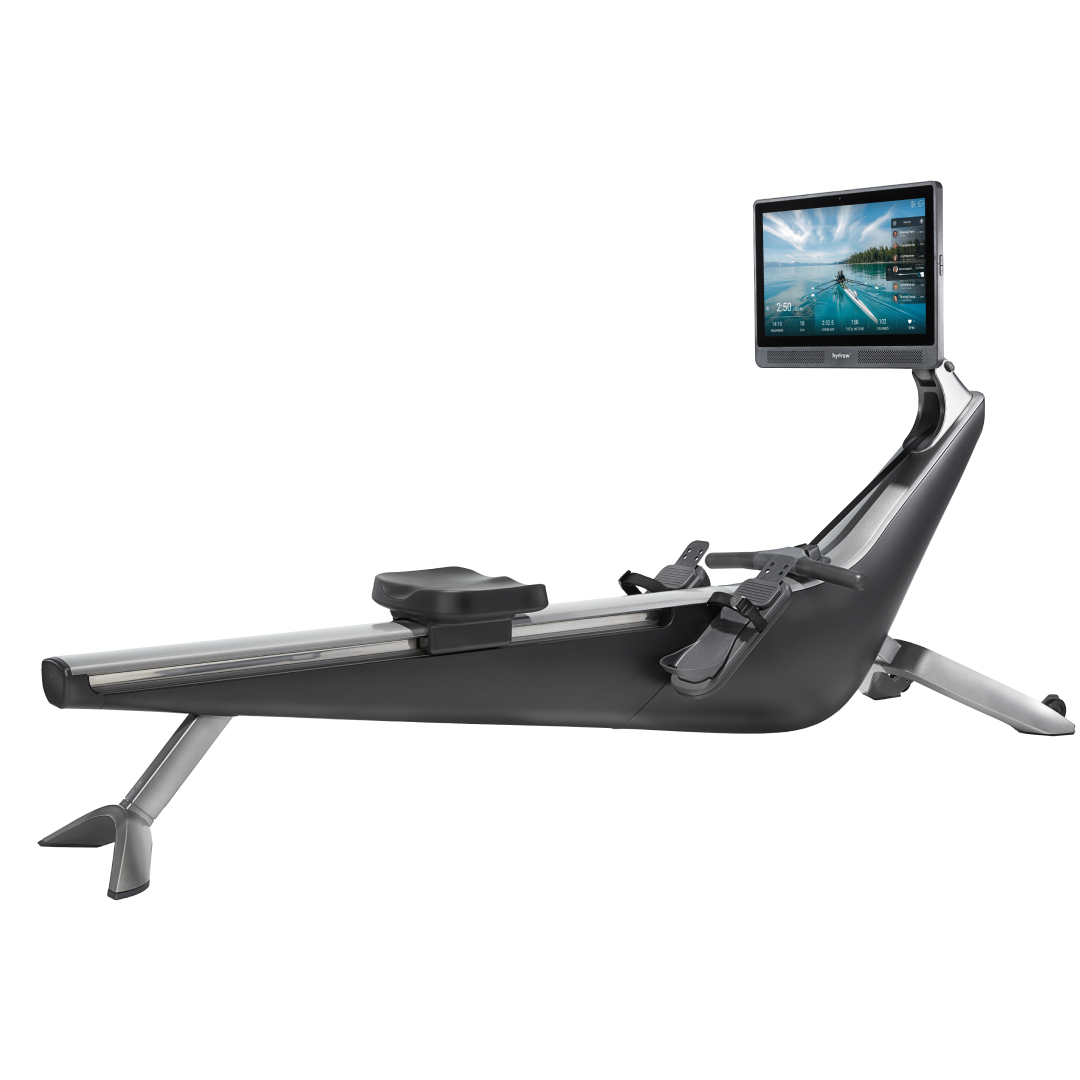
Cardio and strength, combined
Burn calories and build muscle with steady, natural movements.
Why it’s hard to actually get “bulky”

Will strength training make me bulky? No, not unless that is your goal! In fact, it is actually very challenging to build enough mass to achieve a bulky appearance, especially for women.
For starters, testosterone plays a key role in muscle growth and the ability to increase muscle mass, which is why men have an easier time building muscle than women do. But beyond that, there are many factors that must come together to grow your muscles to a size that would be considered bulky. These include things like:
Eating a lot of calories and a lot of protein
Lifting heavy weights
Maintaining progressive overload (or increasingly challenging your muscles in different ways)
Incorporating both compound movements and isolation exercises
Getting enough sleep
Strength training frequently, at least three per week
Tracking your workouts
Following a structured strength training program
Time spent working out, as building muscle takes consistency for weeks (if not months or years)
It’s important to note that no two strength training programs are going to look exactly the same—nor is any one training program going to work for everyone. You should always do what works best for you and your body. And there are plenty of A+ strength training regimens that may only include two or three of these factors.
But if you truly want to build strength and muscle mass and make your muscles pop, you’re likely going to need to incorporate all of these and then maintain the program for months at a time (hence why it’s so hard to actually get bulky!).
Strength training without the bulk: Tips for training for tone

Now that we’ve established that strength training does not make you bulky, let’s talk about strength training when big muscles are not your goal. Indeed, plenty of people start a strength training regimen with goals like better mobility, improved joint health, increased functional strength, or a higher metabolism—all of which are completely possible.
You may be surprised, but many of the concepts for building muscles apply to creating a toned sculpted body as well! Many people think lifting heavy weights will make them bulky—but that’s a myth. In reality, lifting challenging weights helps build lean, firm muscle, not necessarily size. True “bulk” comes from a calorie surplus and specific-focused training, not a few sets of heavy lifting.
Strength training with moderate to heavy resistance actually boosts metabolism, increases definition, and enhances body shape by reducing body fat and improving muscle tone. The goal isn’t to avoid lifting heavy—it’s to train with purpose and control, focusing on good form, gradual progress, and consistency.
The result? A strong, sculpted, and toned body that looks as powerful as it feels.
In short, here are some tips for building that strong, lean and toned appearance:
Complete regular strength training workouts
Progressively overload the muscles with reps, weight, and intensity
Focus on full range of motion and controlled movement
Focus on whole nutrient-dense foods, while avoiding processed food and excessive sugar
Cross-train with cardiovascular exercise
Support recovery with proper sleep and managing stress
Be consistent and patient, as change and progress take time
Get stronger on your own terms with LYQUID
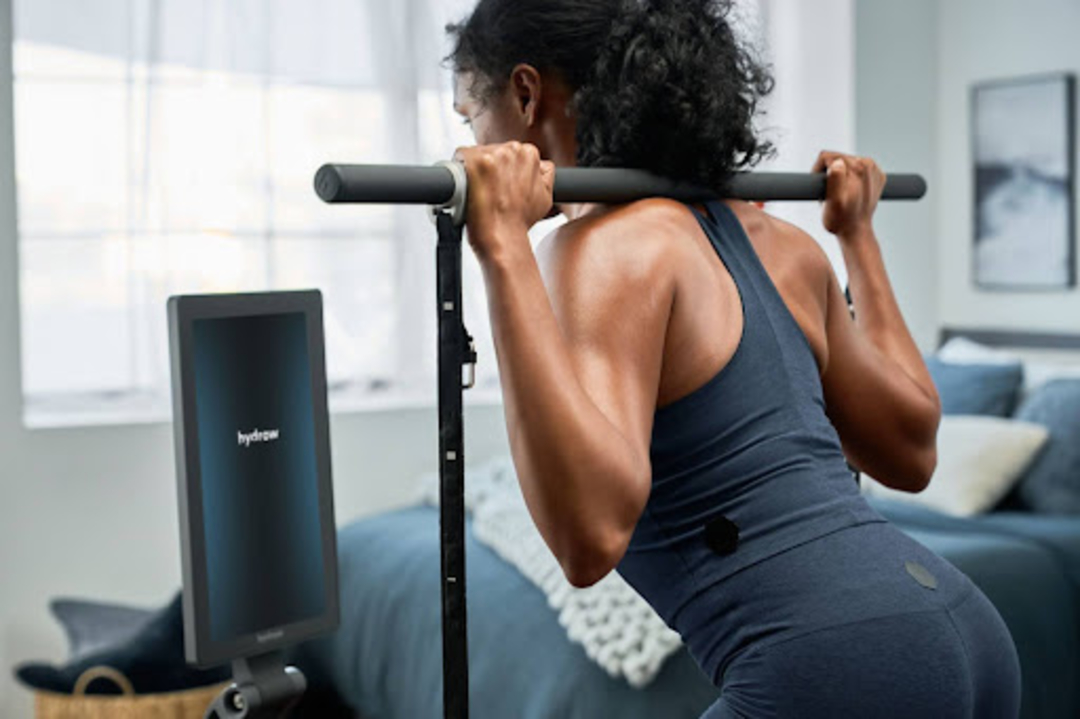
Hopefully it’s clear that there are many misconceptions about strength training making you bulky created by the media and pop culture that’s neither supported by exercise science, biology, nor the results of tons of people who now prioritize strength training as a key part of their fitness regimen. There are a variety of goals that can be achieved when incorporating strength training into your workout regimen—and growing bulky muscles does not have to be one of them!
If you’re ready to add strength training to your routine, LYQUID makes it simple to get started. Our strength platform uses real-time adaptive resistance that adjusts to your effort, so every rep stays smooth, controlled, and effective—no guessing about weights required.
With expert-led programs, form guidance, and automatic performance tracking, LYQUID helps you build lean muscle, improve stability, and progress safely over time—all from one compact machine designed for home training.
Whether your goal is strength, tone, or overall fitness, LYQUID gives you the tools and coaching to train smarter and get stronger on your terms.
Explore LYQUID and start building strength your way.

Bring LYQUID home
Preorder now and be ready to go when LYQUID is here.