How LYQUID Changed the Way I Think About Strength
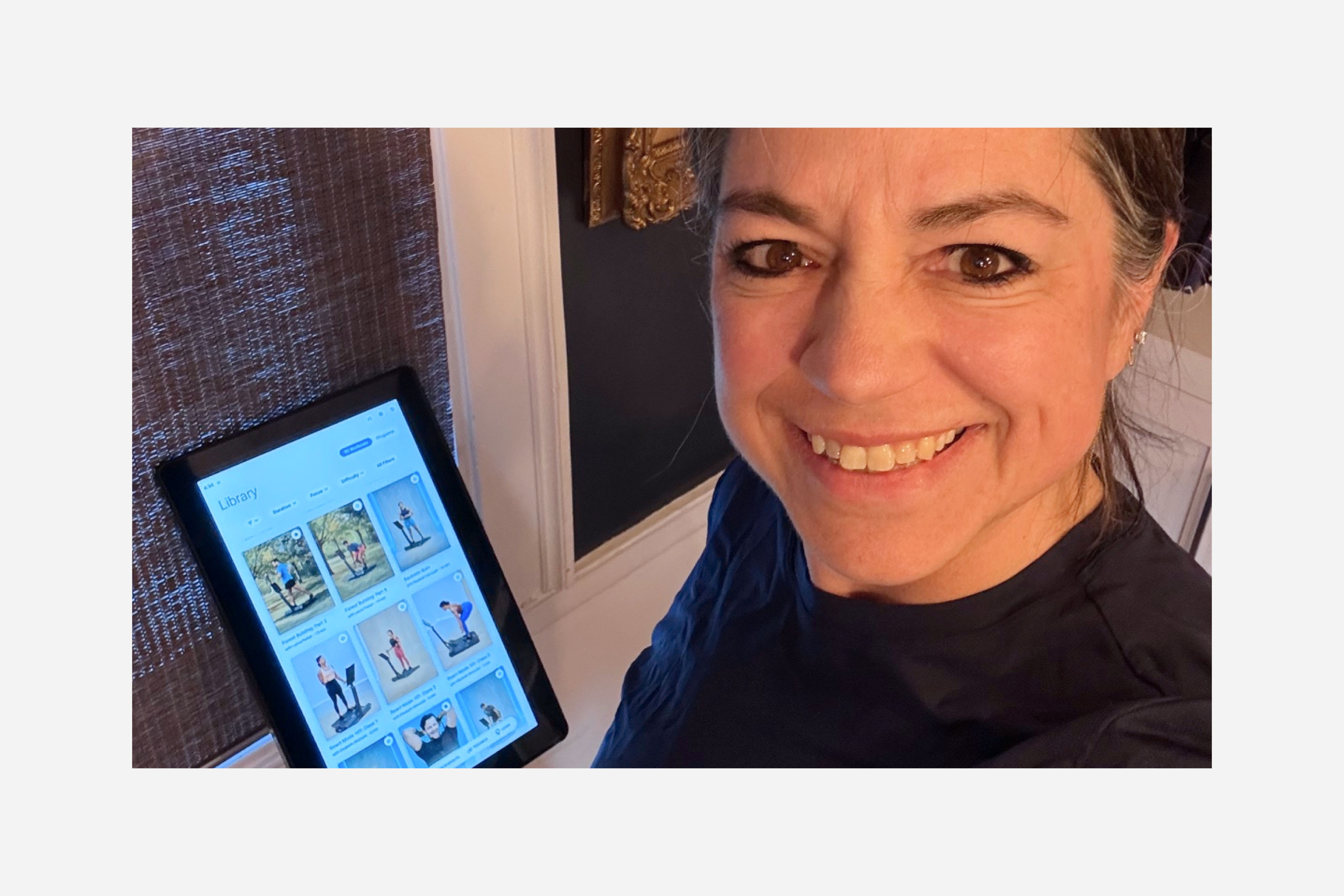
This blog is a guest post from Hydrow Member Michelle Hastings.
Strength training has been a part of my life for a long time. In my early 20s, I trained with a former Mr. Universe and fell hard for heavy lifting—think big goals, big numbers. That love came and went over the years, but it never really left me. Through my 40s, I was still benching, squatting, doing deadlifts, flipping tires and pushing sleds heavier than most people thought I ever would.
I loved it—but then life changed. An autoimmune disease, an aneurysm, and a few other curveballs meant I had to step back from going after heavy PRs the way I used to. Strength was still important to me, but I needed a smarter, safer way to train. I needed something that could support my body instead of pushing it past what it could actually handle.
That’s when LYQUID entered the picture.
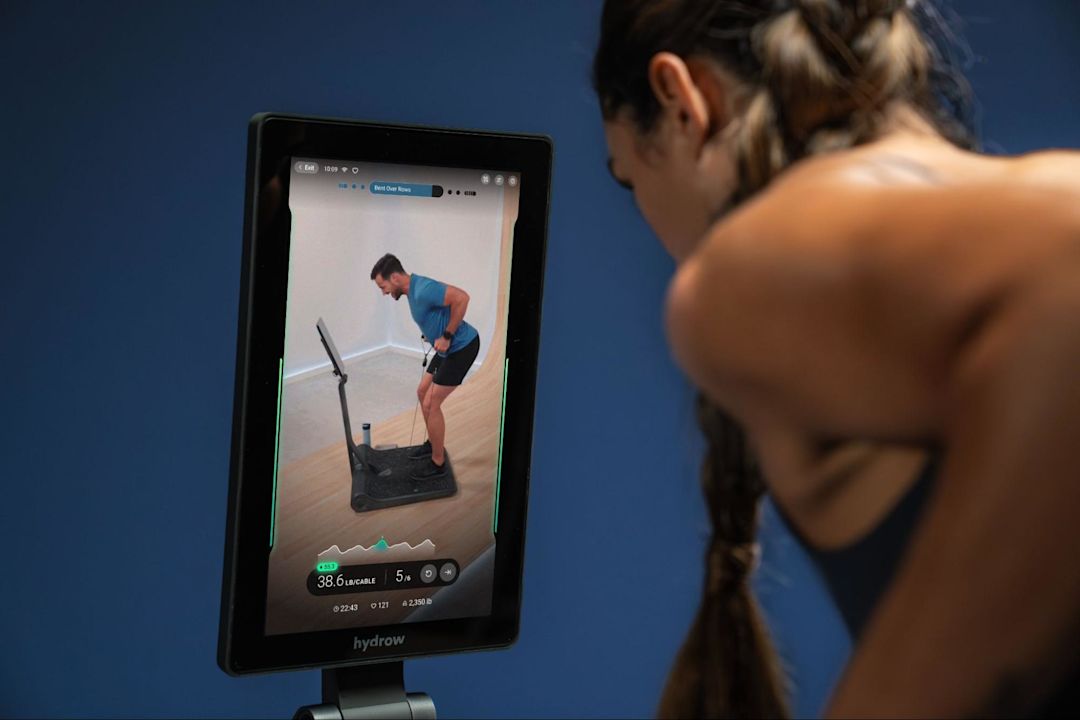
Never wonder if you’re doing it right
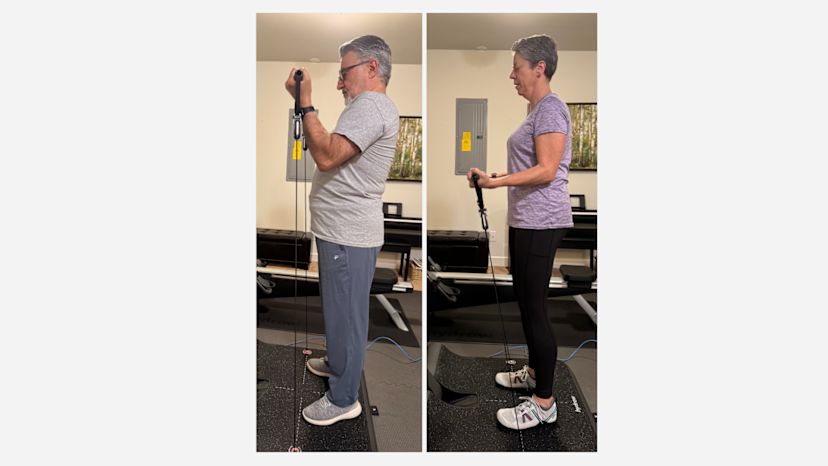
LYQUID’s expert-led strength workouts walk you through every rep, tempo, and range of motion.
Why I was curious, but cautious
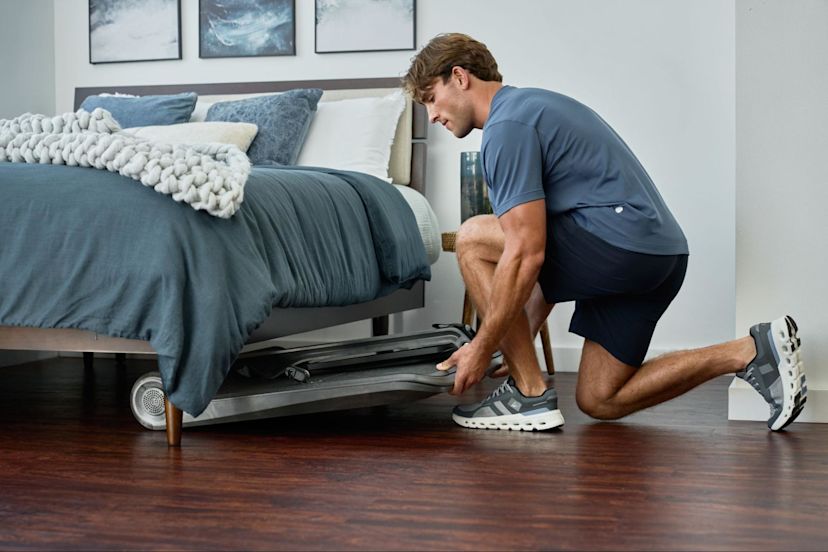
I had researched other smart machines before but a few things always stopped me, such as space, setup, and commitment. I live in a house that was built in the late 1700s, so nothing is getting mounted to these walls! I also didn’t want to invest in something I wasn’t sure I’d actually enjoy using.
But I trusted Hydrow. I’ve been using their rowing machines for almost five years, so I knew the quality of their content, their Athletes, and their overall experience. When I saw that LYQUID didn’t require wall mounting, had a small footprint, and focused on guided programming, I was intrigued.
LYQUID’s React Mode: A new way to strength train
I’ll never forget my first time trying LYQUID's React Mode, which uses isokinetic resistance. With traditional weights, there’s a ceiling for how much you’re lifting—a weight is a weight. But React Mode doesn’t stop. When you’re used to lifting heavy, your instinct is to fight the resistance, to push harder. But React Mode pushes back—and then it pushes back more. The harder you work, the harder it gets.
I was honestly shocked—not just by how hard it was, but by how quickly I hit fatigue. And I didn’t have to stop to change weights. I didn’t have to guess what load I needed that day. The machine adjusted instantly, whether I felt strong or tired. After a few sessions, I learned how to work with React Mode instead of fighting it—and that’s when it became really fun.
I had assumed no machine could replicate the kind of fatigue I got from free weights. I was very wrong.
Did you know?
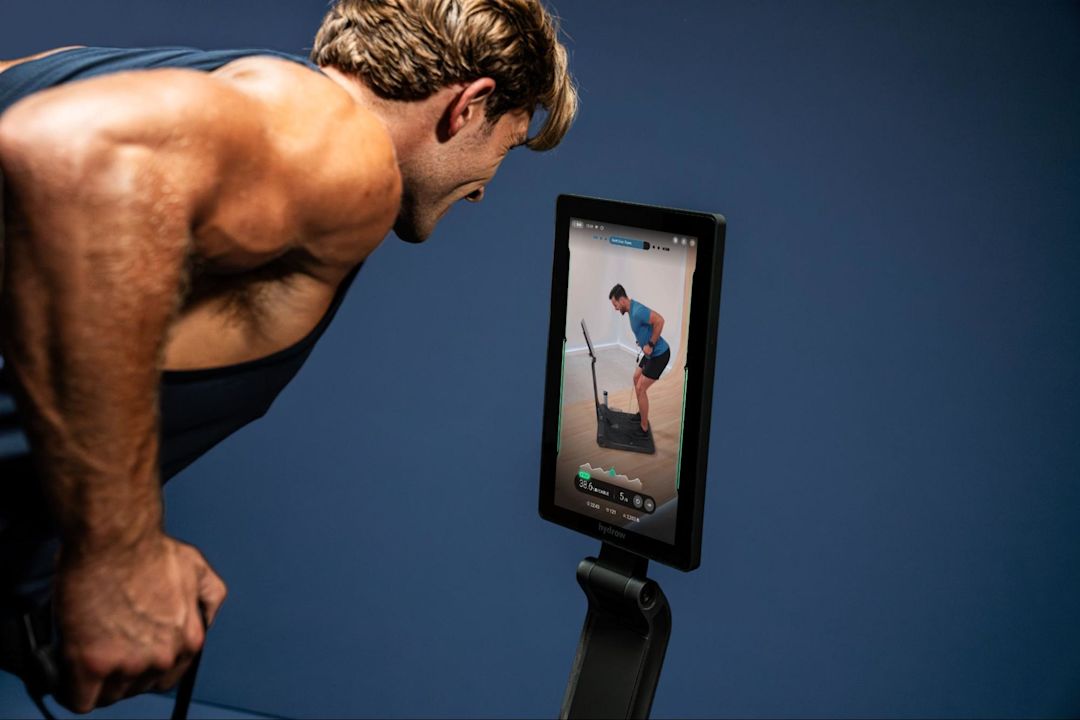
Just 5 reps with LYQUID’s React Mode generates the impact of ~38 traditional reps. Yes, you read that right.
A surprisingly efficient way to strength train
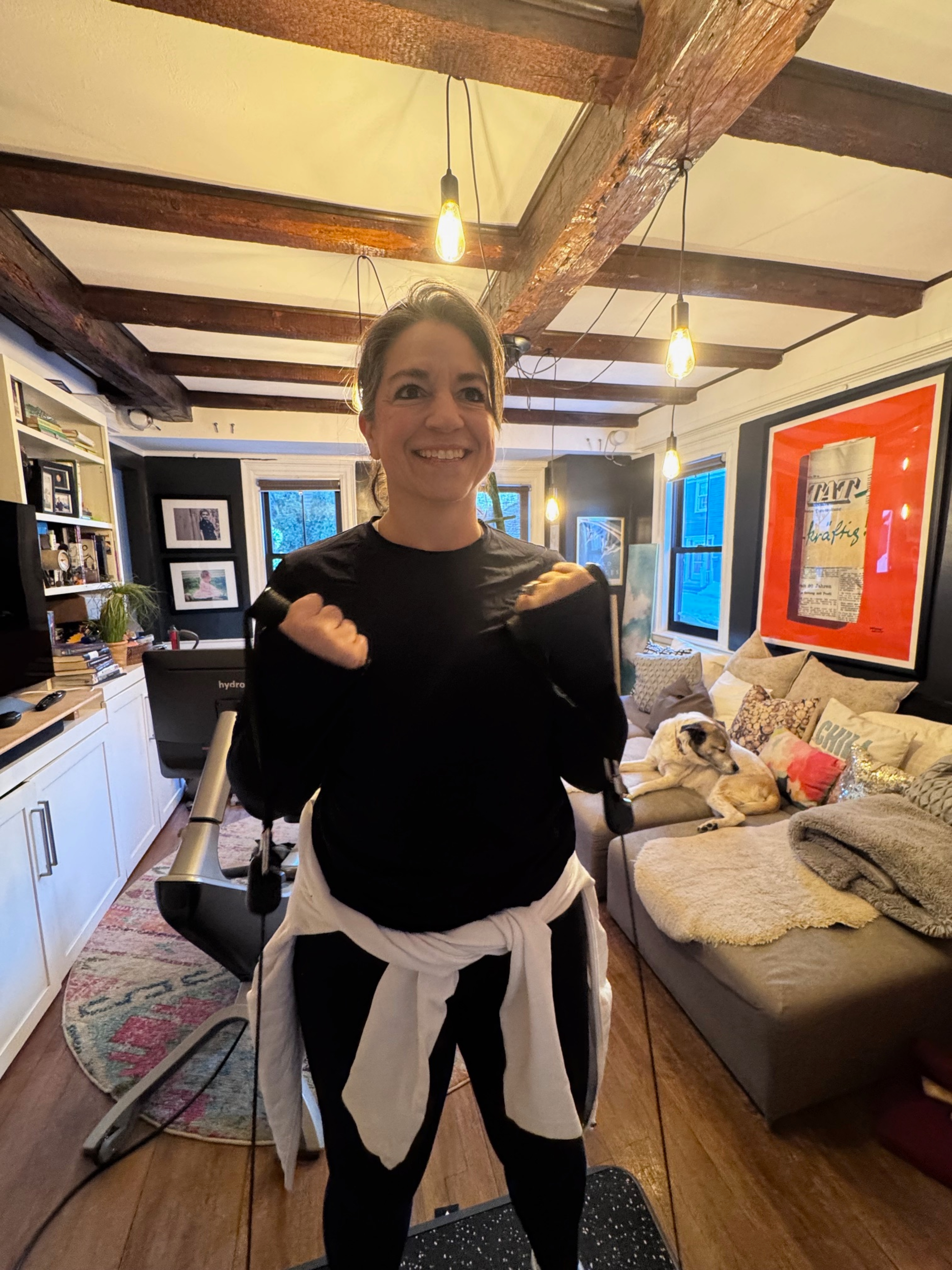
One of my favorite things about LYQUID is how little time it takes to get a meaningful workout. Most of my sessions are around 20 to 30 minutes. That’s it.
I can jump on between conference calls, do a strength session, and go right back to work. React Mode gets you to fatigue fast—in a good way. You don’t need an hour. And when you’re busy, that makes all the difference.
It’s hard to make excuses when you know 25 minutes is enough.
Strength programs that actually teach you something
I’ve never really been a “program person.” I used to prefer picking my lifts and doing my own thing. But LYQUID changed that.
LYQUID’s programs take the guesswork out of everything. I don’t have to decide what to train or how hard to push—it’s already structured. And what surprised me most was how much I learned, even after decades of strength training.
The Athletes’ coaching and form cues genuinely blew my mind. There were movements—like kickstand deadlifts—that initially felt so awkward that I almost wrote them off. But over the course of a multi-week program, the Athletes’ cues evolved. Something clicked more and more each session. My form improved. My understanding improved. And suddenly, a movement I didn’t trust became one I genuinely appreciated.
I wasn’t just getting stronger. I was moving better, and incorporating new types of strength exercises into my routine that I don’t know if I would have tried otherwise if I didn’t have the empowerment and guidance of Hydrow’s Athletes.

More results, less time
With isokinetic resistance, LYQUID delivers maximum muscle engagement in fewer reps.
From lifting heavy to training smarter
For most of my life, strength training meant chasing numbers. Heavy PRs were the goal. But at this stage of my life, that mindset has shifted. Now, I care more about how I feel day to day: Am I moving well? Is my posture better? Do I feel balanced and strong?
One of the biggest changes I’ve noticed since training on LYQUID is how balanced my strength feels. I spent years sweep rowing, always on one side, and it started to show—pain, asymmetries, even the way I stood. Since doing more unilateral and controlled strength work on LYQUID, that imbalance has started to disappear. The nagging aches have eased. I feel more aligned, more stable.
That kind of functional strength sneaks up on you. One day you realize you’re not exhausted at the end of the day, or that carrying, lifting, and moving through daily life just feels easier. That matters more to me now than any single number on a barbell.
Strength that fits my life now
These days, my goal is simple: Stay strong, stay balanced, and keep doing the things I love for as long as I can. My current plan is three rows and three LYQUID sessions a week, with strength and conditioning working together, not competing for time or energy.
I still love seeing a PR pop up on the screen. That little red notification still makes me smile. But now, a PR doesn’t just mean more weight—it means confidence, consistency, and progress that actually supports my life.
I thought my heavy lifting days were behind me. But what I’ve realized instead is that this is just a new chapter of strength—and honestly, it might be my favorite one yet.
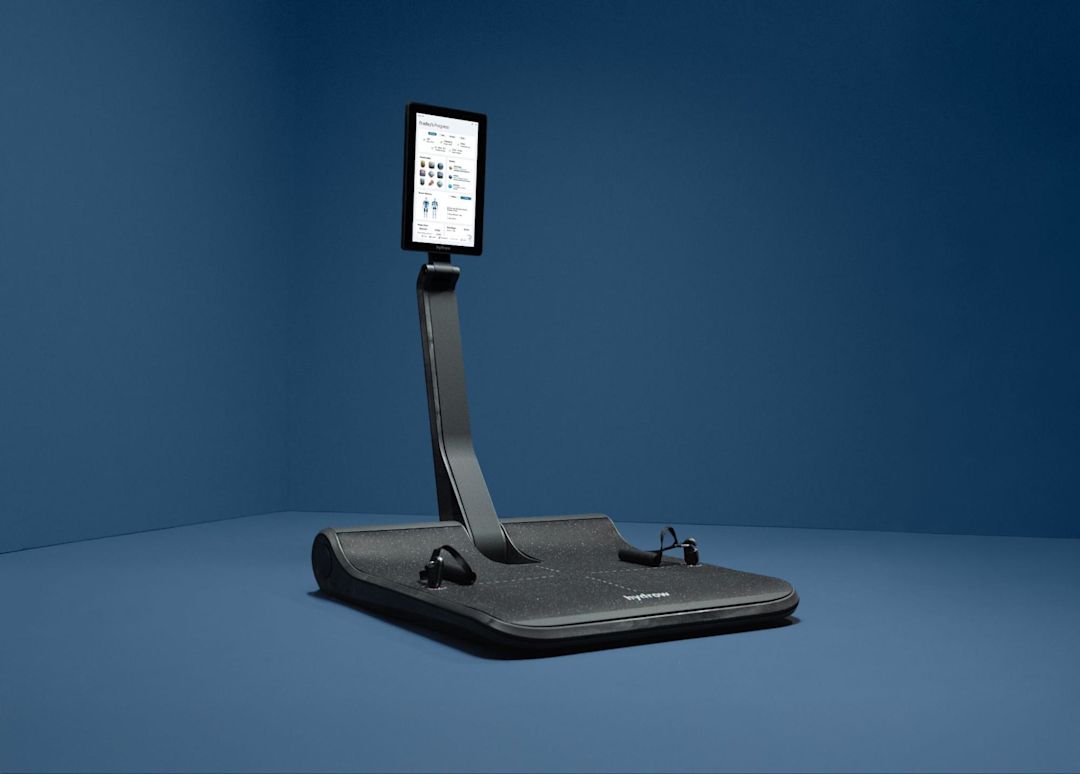
Bring LYQUID home
Preorder now and be ready to go when LYQUID is here.