The Best Dumbbell Workouts for Beginners: 15 Easy Exercises to Start With
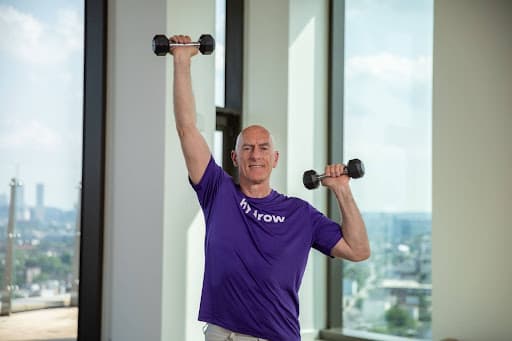
Dumbbells are one of the most accessible, versatile, and effective pieces of equipment you can use when starting your strength training journey. Dumbbells offer a simple yet powerful way to build strength, improve coordination, and boost confidence, whether you’re exercising at the gym or in your living room.
If you’re just beginning, it’s easy to feel overwhelmed by workout programs or to expect overnight transformations. But lasting results come from consistency, proper technique, and gradual progress. Think of dumbbell workouts as stepping stones: Each session builds your foundation for stronger muscles, better endurance, and improved movement patterns.
In this article, we’ll cover everything you need to know when beginning to use dumbbells, including:
Let’s get started!
Why dumbbells are ideal for beginners

There are many reasons dumbbells are a great starting point for starting strength training:
Accessibility: Dumbbells are widely available, affordable, and take up far less space than large equipment.
Versatility: With dumbbells, you can train every major muscle group using just a few simple movements.
Progressive overload: Because dumbbells come in small weight increments, you can gradually increase resistance without straining your body.
Balance and coordination: Unlike machines that stabilize weight for you, dumbbells engage stabilizer muscles and improve joint control.
For beginners, this versatility means you don’t need a huge arsenal of equipment or a complicated program—just a few pairs of dumbbells and the motivation to get started.
How to choose the right dumbbell weight
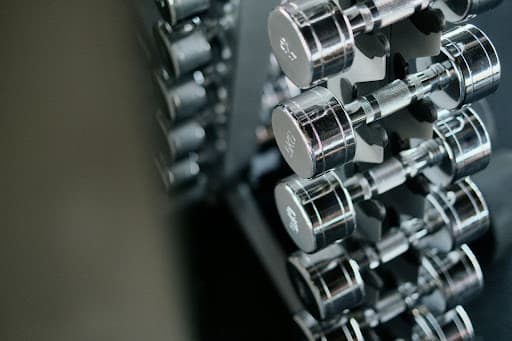
One of the most common beginner questions is: What weight should I start with? The answer depends on your current fitness level, goals, and the specific exercise.
Test by reps: Choose a weight that feels challenging but manageable for 10–12 repetitions. You should feel your muscles working by the last two reps without compromising form.
Upper body vs. lower body: Upper-body exercises often require lighter weights, while lower-body movements, which use bigger muscles, may need heavier weights.
Err on the lighter side at first: You can always increase the load, but starting too heavy risks discouragement or injury.
Avoid choosing a weight based on what you “think” you should lift—technique always comes first.
Form tips and safety guidelines for dumbbells
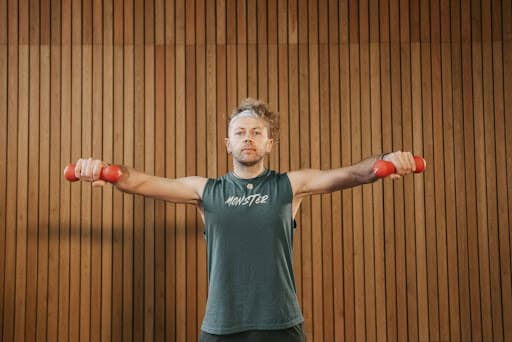
Before you grab your weights and start moving, keep these principles in mind:
Posture is everything: Stand tall with shoulders back, core engaged, and feet hip-width apart. Think about controlling the weight throughout the exercise.
Controlled movements: Avoid swinging or jerking the dumbbells. Moving too quickly reduces effectiveness and increases the chance of injury.
Breathing: Exhale during the effort (lifting phase) and inhale during the return (lowering phase).
Warm up: Take at least 5–10 minutes to get your body moving before strength work by doing light cardio or dynamic stretching.
Listen to your body: Some muscle soreness is normal, but sharp pain or discomfort is not. Modify as needed.
Explore Hydrow’s library of 5,000+ rowing, circuit training, yoga, Pilates, and mobility workouts.
15 easy dumbbell workouts for beginners
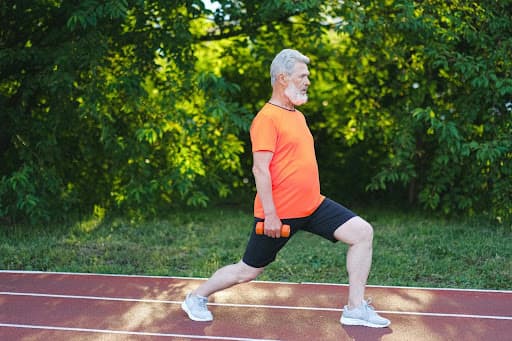
Below are 15 beginner-friendly dumbbell exercises divided into full-body, upper-body, and lower-body categories:
The best full-body dumbbell exercises for beginners (and how to perform them)
1. Dumbbell squat to press
Hold a dumbbell in each hand at shoulder height.
Squat down until thighs are parallel to the floor.
Push through your heels to stand up and press dumbbells overhead.
Lower weights to shoulders with control.
2. Dumbbell deadlift
Hold dumbbells in front of your thighs, palms facing you.
Keep a flat back as you hinge forward at your hips.
Lower dumbbells toward mid-shin, then squeeze glutes to return upright.
3. Dumbbell clean
Start with dumbbells in front of your thighs.
Hinge at hips, then explosively stand and bring dumbbells up to shoulders.
Reset and repeat with smooth, controlled motion.
4. Renegade row
Start in a high plank with hands gripping dumbbells.
Row one dumbbell toward your rib cage while keeping hips stable.
Lower and switch sides.
5. Dumbbell farmers carry
Hold a dumbbell in each hand at your sides.
Walk in a straight line for 20–40 seconds, keeping shoulders back and core braced.
The best upper-body dumbbell exercises for beginners (and how to perform them)
1. Dumbbell bench press
Lie on a bench (or floor) with dumbbells at chest level.
Press dumbbells straight up until your arms are extended.
Lower slowly to starting position.
2. Dumbbell shoulder press
Sit or stand with dumbbells at shoulder height, palms forward.
Press weights overhead until arms are fully extended.
Lower back to starting position.
3. Dumbbell biceps curl
Stand tall with dumbbells at your sides, palms forward.
Curl weights toward shoulders without swinging your arms.
Slowly lower back down.
4. Dumbbell triceps kickback
Hold dumbbells and hinge forward slightly.
Keep elbows tucked at your sides.
Extend weights back until arms are straight, then return to start.
5. Dumbbell lateral raise
Hold dumbbells by your sides, palms facing thighs.
Lift arms out to the side until they reach shoulder height.
Lower with control.
The best lower-body dumbbell exercises for beginners (and how to perform them)
1. Dumbbell squat
Hold dumbbells at shoulder level or on your sides.
Sit back and down as if into a chair.
Push through heels to return to standing.
2. Dumbbell forward lunge
Hold dumbbells at your sides.
Step forward with one foot and lower into a lunge.
Push back to standing and switch legs.
3. Dumbbell step-up
Hold dumbbells at sides.
Step onto a sturdy bench or platform, driving through your lead heel.
Step down carefully and switch legs.
4. Dumbbell glute bridge floor press
Lie on your back holding dumbbells at chest level with feet flat.
Drive hips upward into a bridge.
While hips are raised, press dumbbells upward, then lower hips and weights.
5. Dumbbell calf raise
Hold dumbbells at sides while standing tall.
Push through the balls of your feet to raise heels.
Lower slowly back down.
A sample beginner dumbbell workout plan to start with

Here’s a balanced, three-day-per-week you can follow. Be sure you’re resting at least one day in between sessions to let your muscles recover.
Day 1: Full body (push focus)
Squat to press: 3 sets of 10 reps
Dumbbell bench press: 3 sets of 10 reps
Forward lunge: 3 sets of 12 reps per leg
Renegade row: 3 sets of 8 reps per arm
Day 2: Upper body (pull focus)
Dumbbell deadlift: 3 sets of 12 reps
Dumbbell biceps curl: 3 sets of 12 reps
Dumbbell shoulder press: 3 sets of 10 reps
Dumbbell lateral raise: 3 sets of 12 reps
Day 3: Lower body + core
Dumbbell squat: 3 sets of 12 reps
Dumbbell step-up: 3 sets of 10 reps per leg
Dumbbell glute bridge press: 3 sets of 12 reps
Farmer’s carry: 3 sets of 30 second carries
Explore Hydrow's library of strength training workouts.
Tips for progressing safely with dumbbells

Increase gradually: Add 2--5 pounds to dumbbells when you can complete your sets with ease and proper form.
Add reps or sets first: If increasing weight feels too soon, add repetitions or an extra set to build endurance.This allows your tendons, joints, and stabilizer muscles to adjust before increasing weight.
Prioritize form: Perfecting technique matters more than lifting heavy. Poor form can lead to injury.
Include rest and recovery: Muscles grow and get stronger during rest, not just during exercise.
Stay consistent: Regular training (2–4 days per week) will yield better results than sporadic hard efforts.
Dumbbell FAQs for beginners
How often should I train with dumbbells?
Beginners can start with 2–3 strength workouts per week, giving at least 48 hours between sessions to recover. Over time, you may increase to four days depending on your goals.
Can I build muscle with dumbbells?
Yes! Dumbbells allow for progressive overload and can build both strength and muscle size. Paired with proper form, nutrition, and recovery, they are an excellent tool for muscle development.
Do I need a gym to use dumbbells?
Nope! Dumbbells are highly space-efficient and can be used in a living room, home gym, or even outdoors. Many effective workouts require only a small footprint, too.
When will I see results with dumbbells?
Most beginners notice improvements in strength, energy, and endurance within 4–6 weeks. Visible changes in muscle tone often appear after 8–12 weeks, depending on consistency, diet, and lifestyle.
You’re ready to go!
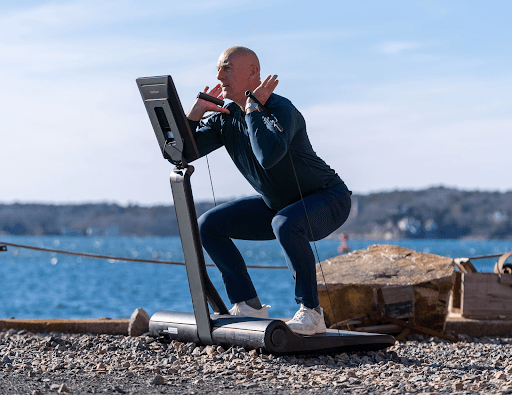
If you’re interested in strength training, dumbbells are a great place to start—but they still leave you figuring out the right weight, swapping equipment, and piecing together workouts on your own . LYQUID changes that.
With a compact design, smart weight selection that adjusts to you automatically, and guided workouts built for every level, LYQUID makes strength training simpler, smarter, and more effective—whether you’re just getting started or ready to level up.
Skip the guesswork. Train smarter. Start your LYQUID journey today.
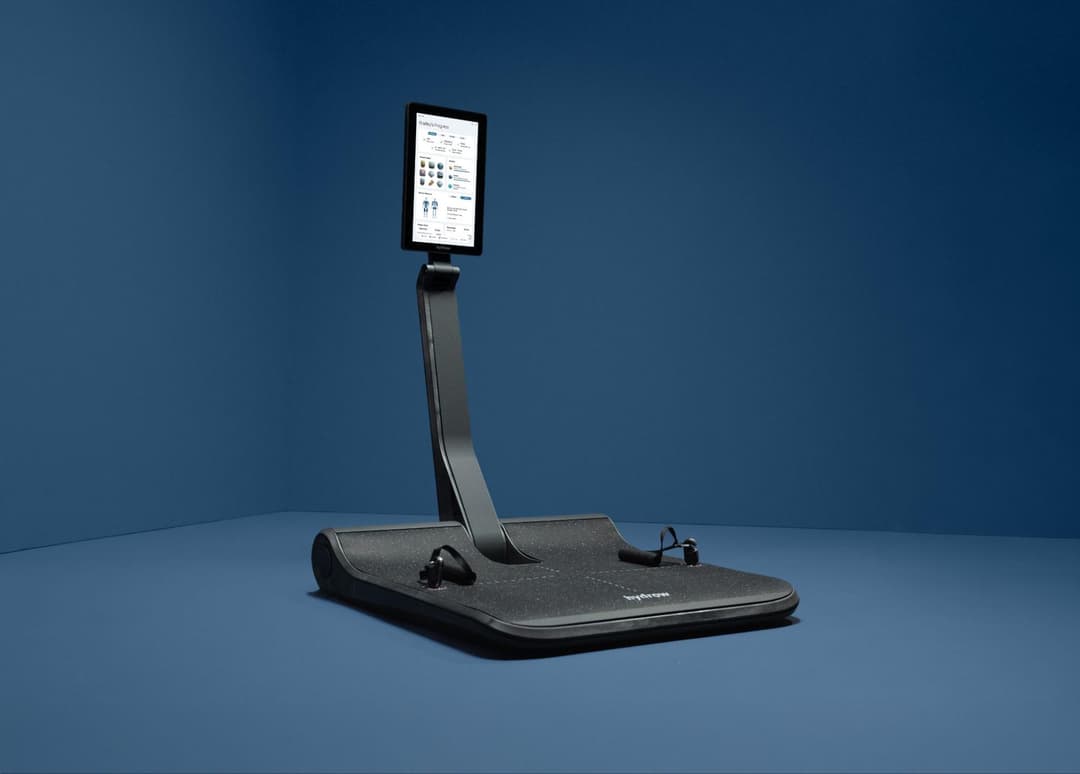
Bring LYQUID home
Preorder now and be ready to go when LYQUID is here.