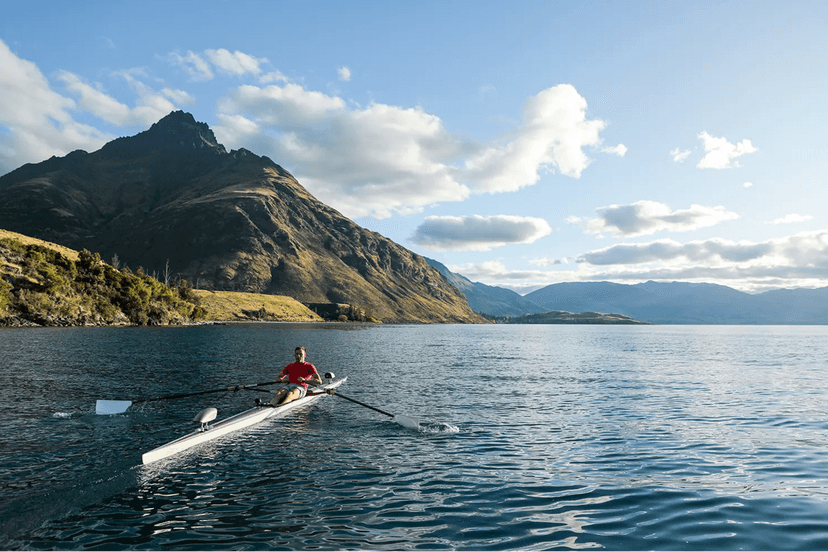
Behind-the-Scenes: How Hydrow Athletes Design a Workout
Before you press play on a Hydrow workout, an Athlete has already spent hours thinking about the next 20 minutes of your day.
They’ve mapped out the effort and recovery, researched the destination, and considered what will help you stay engaged when the work gets challenging. By the time they get into the boat, they have a workout to coach and a story to share.
Each Hydrow Athlete designs their own workouts, bringing their experience, personality, and perspective to the process. Behind them is a team that helps shape the collection and brings those individual ideas to your screen.
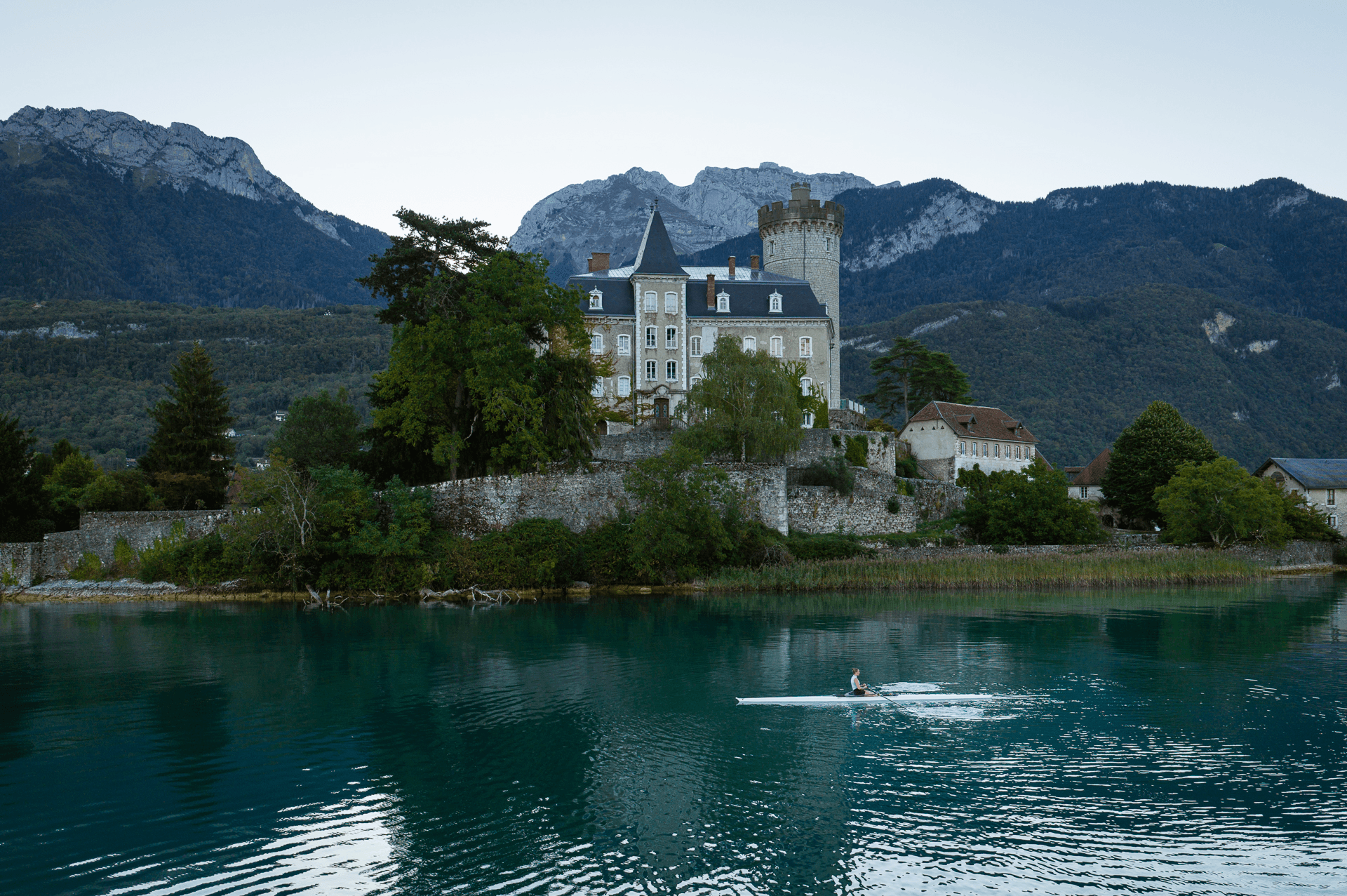
Our recent shoot in Lake Annecy offered a closer look at how it happens—and how one destination can inspire so many different ways to move.
Start with what Members need
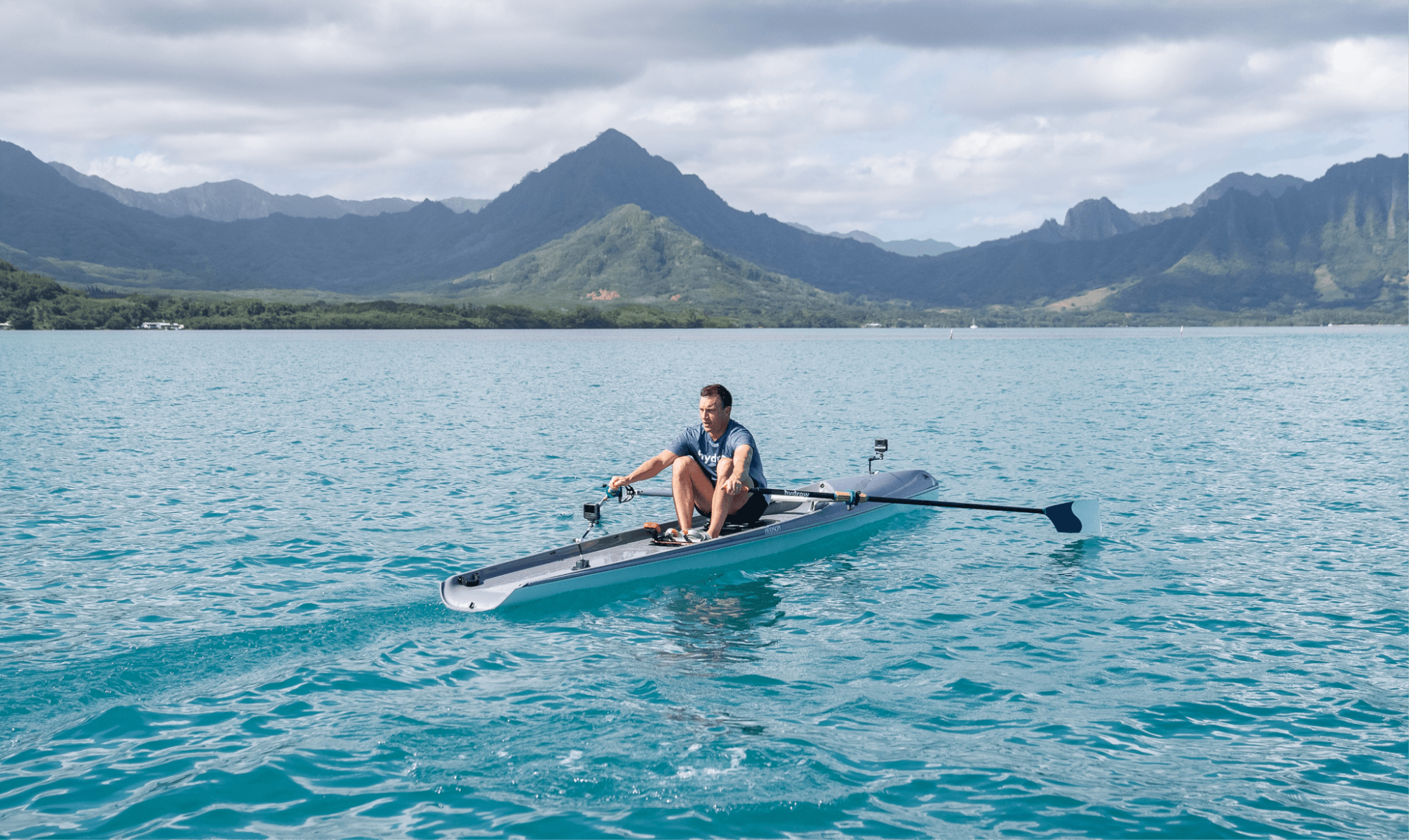
Planning begins with the people who will use the workouts. Hydrow’s content team considers which durations and workout types Members choose, what they return to, and where the library needs variety.
That helps determine the mix for a destination collection: shorter workouts, longer efforts, steady rows, interval workouts, and cool-downs. The goal is to give people options for different days, schedules, and levels of effort.
Athletes receive assignments within that broader plan, then develop the individual workouts. A 20-minute Sweat gives them a starting point. How they structure it, coach it, and make it their own is where their creativity comes in.
Build a workout with a clear purpose
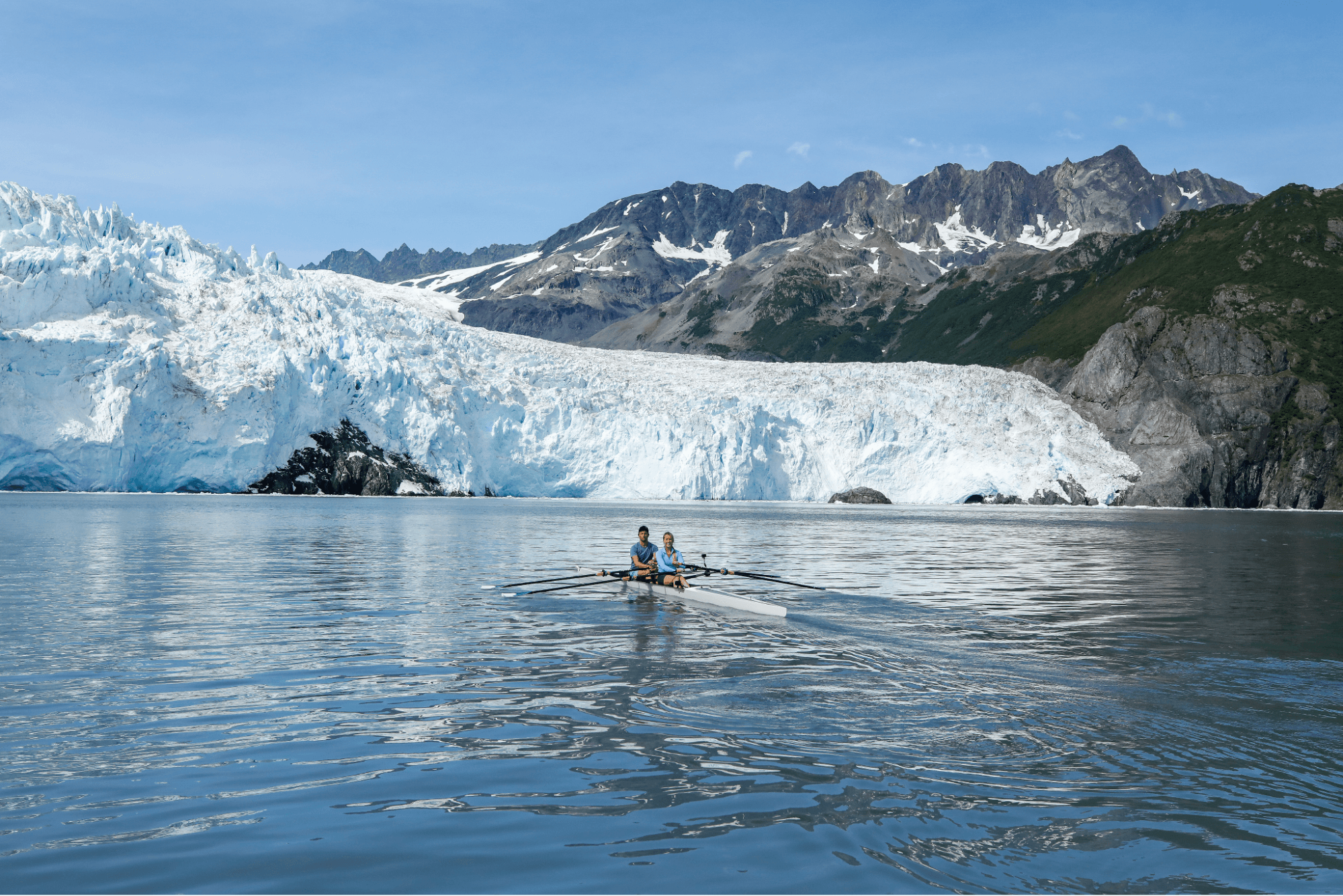
Each category provides a framework. Breathe workouts generally emphasize a steadier effort. Sweat workouts bring in more interval work. Drive workouts focus on higher-intensity efforts with recovery between them.
Within those frameworks, Athletes choose how to organize the work: how long an interval lasts, when the pace changes, and how the workout builds. They consider both the physical challenge and how to make it feel manageable from one section to the next.
Mac describes her goal as “ambitious but achievable.” It’s a useful glimpse into the care behind those decisions: a workout can ask you to stretch yourself while still giving you a clear way through.
Whatever the theme, the coaching remains central. You need to know what you’re doing, how hard to push, and when recovery is coming. The storytelling fits around that guidance.
Find a story that belongs in the destination
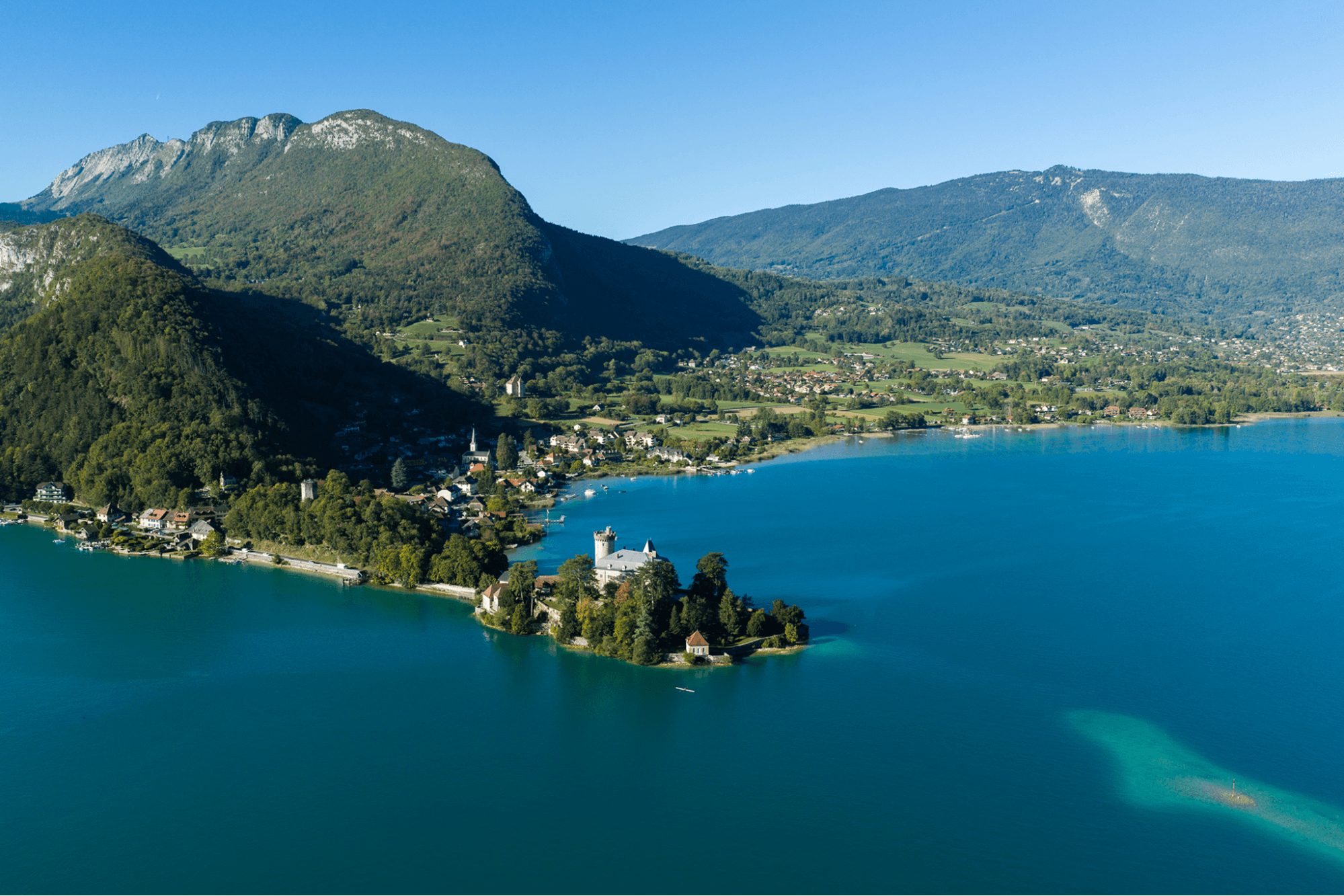
Before traveling, the creative team and Athletes research the location, exploring ideas that could connect the workout to the place. Each Athlete develops those ideas through their own interests and experiences.
At Lake Annecy, that led to very different approaches. Dani researched local legends for a Breathe workout, then talked with people in the area who recognized the fairy tale stories they had grown up hearing.
James drew on cycling and the idea of a domestique—the rider who works in service of the team. He connected that role to supporting teammates during a destination shoot.
For Buffy, the area brought back memories of competing in France early in her rowing career. It also prompted reflections on staying active and living well over time.
Those individual perspectives give the collection its range. Two Athletes can row past the same mountains and offer you entirely different experiences.
Leave room for what happens there
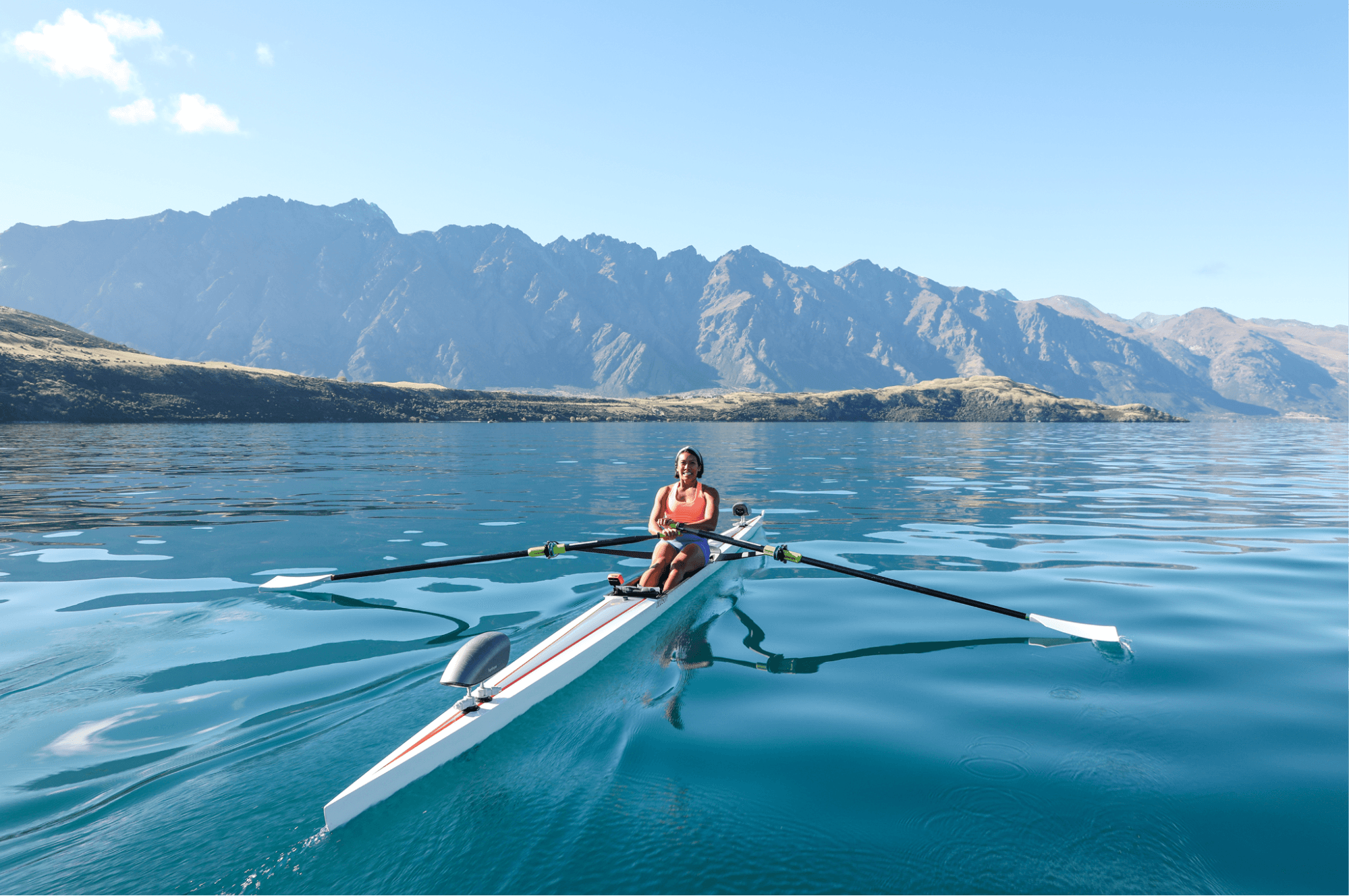
Research continues on location. A conversation, an afternoon exploring, or something noticed on the water can give an Athlete a better way into a story—or inspire a new one.
Buffy’s time exploring Lake Annecy inspired a 10-minute Sweat with an Amazing Race concept. She turned activities and experiences from the trip into a series of tasks to work through, giving the workout a playful sense of progression.
For James, a mention of Michelin restaurants during a boat tour connected with books he had read about high-performing chefs. That became material he could bring into an episode alongside his own racing experiences.
Dani also drew on a deeply personal connection to France: the heartbreak of a close loss at the 2015 World Championships. She built a workout around what it means to give everything to something, even when the outcome hurts.
The Athletes arrive prepared, with the freedom to develop their ideas as they experience the destination. That curiosity helps the workouts feel rooted in the place.
All that planning and discovery goes into the minutes you spend on your rower—helping you take on a challenge and enjoy where the workout takes you.